拍电影难,拍一部好看的历史体裁电影更难——不仅在拍摄过程中要历经千锤百炼,在上映后还要勇于承受舆论的评判:艺术的演绎到底在多大程度上符合史实呢?第83届奥斯卡的大赢家《国王的演讲》最近就激起了这样的热议。随着这部影片受到愈来愈高的关注度,评论家们也越来越多地指出该片的诸多历史失真之处。抛却真实与否的重要性不提,现在让我们从历史学家的角度,一起来审视一下该片中哪些情节忠于史实、哪些纯属虚构。
They say truth can be stranger than fiction, but that seldom stops Hollywood from adding an embellishment1) or two when it comes to transferring truth to the big screen. Films purportedly “based on a true story” tread treacherous2) ground with film buffs3), historians and purists4). How far can artistic license5) stretch for the sake of entertainment? Do we eschew6) the nitpicky7) details of historical accuracy in favor of a good movie, or should filmmakers be beholden to every detail, regardless of how it paints their characters?
人们常说,真相往往比小说还要离奇,但这并不妨碍好莱坞在将现实搬上银幕时“添油加醋”。号称“根据真实故事改编”的电影往往带着影迷、历史学家和纯粹主义者一起“走钢丝”。打着娱乐的旗号,艺术的演绎到底有多大空间?对于一部好的电影,我们是否不该吹毛求疵地纠结于历史的准确性?还是说,电影制片人有义务忠实于每一个细节,不管这将会塑造出什么样的人物形象?
The King’s Speech is the latest project to stir up such a debate. This film was the big winner at the 2011 Oscars, and with increasing regularity, critics have been crawling out of the woodwork8) to point out the film’s numerous historical inaccuracies. But how much of The King’s Speech is fact and how much is fiction? And does it really matter anyway? 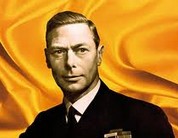 《国王的演讲》最近就激起了这样的辩论。这部影片是2011年奥斯卡的大赢家,引得评论家们纷纷跳将出来,越来越多地指出这部电影的诸多历史失真之处。那么,《国王的演讲》中到底有哪些是史实,哪些是虚构呢?真实与否真的很重要吗?
Directed by Tom Hooper, The King’s Speech centers around Prince Albert (known as Bertie to his family), a man who suffers from a debilitating stutter. Since the impediment hinders him from executing his royal duties, his wife, Elizabeth, enlists the help of an unorthodox Australian speech therapist named Lionel Logue, who helps the future king overcome his insecurities and speak without fear. The task becomes even more pressing once Bertie’s brother, King Edward VIII, abdicates the throne to marry an American divorcée, leaving Bertie to bear the crown and the responsibility of boosting the country’s morale while Britain is on the brink of war with Hitler.
由汤姆·霍伯执导的影片《国王的演讲》围绕阿尔伯特亲王(王室成员称他为“伯蒂”)的故事展开。阿尔伯特亲王患有严重的口吃,已经到了妨碍他履行王室职责的地步,因此,他的王妃伊丽莎白便求助于一位离经叛道的澳大利亚语言治疗师——名叫莱昂内尔·罗格——来帮助这位未来的国王克服紧张不安的情绪,从而毫无畏惧地讲话。当伯蒂的哥哥爱德华八世国王放弃王位要和一位离婚的美国女子结婚时,这一任务就变得更为紧迫了——因为彼时正值英国与希特勒的战争一触即发之际,伯蒂要在这一紧要关头继承王位,担负起振作国民士气的重任。
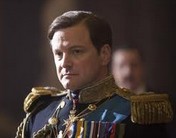 It’s all very rousing and inspiring stuff—the film’s tagline is “Find your voice”, after all. But the consensus seems split on just how much of the historical drama in The King’s Speech is historically sound and, for that matter, whether historical accuracy is even that important when it comes to telling a rollicking9) good yarn to entertain the masses. Now allow us to present a number of the film’s most prominent facts and fictions to figure out what Hooper and The King’s Speech scribe David Seidler got right and what they, perhaps deliberately, got wrong.
整部片子充满催人振奋、激励人心的情节——毕竟,影片的招牌语言就是“找到自己的声音”。但是,对于影片中的历史剧情部分究竟有多少符合历史,以及对于这样一个旨在取悦大众的热闹好看的故事来说,历史的真实性是否还那么重要,舆论的观点似乎见仁见智。下面请允许我们列举出影片中若干显著的史实与虚构,来看看导演霍伯和编剧大卫·塞德勒在哪些情节的处理上忠于史实,哪些(或许是有意识地)又偏离史实。
King George VI 国王乔治六世
Played with pathos10) and charm by Colin Firth, Bertie is seen as a shy, retiring chap, albeit one who has legendary fits of temper. Still, he’s our hero, which in Hollywood terms necessitates that he’s sympathetic, with a relatable journey and, if at all possible, a happy ending. On that count, The King’s Speech ticks all the boxes11).
由科林·费斯扮演的伯蒂充满魅力而又令人同情,在观众眼中,他是一个腼腆、喜欢独处的人,虽然有时也会像传说中那样大发脾气。然而,他是我们的主人公,用好莱坞的语言来说,他必须是一个令人同情的人,有着可以引发共鸣的经历,如果有可能的话,最好还要有一个圆满的结局。从这个意义上来说,《国王的演讲》正好符合所有的标准。
Facts:
Rumors of George VI’s tortured upbringing weren’t exaggerated: In addition to the stutter he developed as a child, though left-handed, the poor moppet was forced to write right-handed, and suffered the indignity of corrective leg splints12) to cure his knock knees13). His fondness for smoking was accurately portrayed, too; he developed lung cancer in later life. It’s also fair to say that Bertie was an extremely reluctant king. If anything, the movie may have downplayed that fact: Bertie was said to have gone to his mother, Queen Mary, the day before his brother’s abdication, and later wrote in his diary that he “sobbed like a child” in her arms after telling her that he was to assume the throne.
His parents were fairly portrayed as distant, as was customary with upper-crust14) families of the time, with Bertie’s father, King George V, once saying of his sons, “My father was scared of his father, I was scared of my father and I’m damned well15) going to see that they’re scared of me.” Bertie was known for his short fuse16), as demonstrated by his many arguments and impatient outbursts with Logue in the film, though the filmmakers widely steered clear of rumors that he sometimes struck his wife in his temper; true or not, to publicize the king’s less savory characteristics would have undermined the central message of the film, which was framed as a tale of overcoming adversity, not a biopic of Bertie’s character.
史实:
传说中乔治六世充满痛苦的成长经历在影片中并没有被夸大:除了小时候就患有口吃外,他还是个左撇子,但却被强迫用右手写字,而且,有伤尊严的是,他还使用过下肢矫正夹板来矫正他那X型的畸形腿。对他抽烟嗜好的描写也是真实的,他后来就患上了肺癌。另外,影片说他极不愿意做国王,也是客观公正的。如果说有什么失实的话,那可能就是电影淡化了如下这一史实:据说,在他哥哥退位的前一天,伯蒂曾经找过他的母亲玛丽王后,后来他在日记中写道,在告诉母亲他即将继承王位之后,他在母亲的怀里“哭得像个孩子”。
他的父母被描绘成“疏远型”的父母,也是符合史实的,这是那个时代上流社会家庭的惯例。伯蒂的父亲,也就是国王乔治五世,有一次曾这样谈论过自己的儿子:“我父亲害怕他的父亲,我害怕我的父亲,我当然也要看到我的儿子们害怕我。”伯蒂的火爆脾气是出了名的,这一点从他在电影中和罗格的多次争论和大发脾气中就可以看出来,但电影制作人完全避开了他在盛怒之下有时会打老婆的传言。不管传言是真是假,公开国王性格中不那么可爱的一面只会妨碍影片中心思想的传达:影片所要塑造的是一个征服逆境的故事,而不是一部记录伯蒂性格的传记片。
Fiction:
The most prominent and widely criticized fiction within the film concerns Bertie’s political affiliation. While The King’s Speech is at pains to portray the king as having a close and amicable relationship with Winston Churchill17) from the outset, in actuality Bertie and his wife were staunch18) supporters of the previous Prime Minister, Neville Chamberlain19), and advocated his policy of appeasement20) in regards to Hitler.
Churchill, on the other hand, was firm friends with Bertie’s brother, Edward VIII, and advised him against his decision to abdicate in order to marry Wallis Simpson. When Chamberlain resigned as PM, Bertie trumpeted another politician who favored appeasement, Lord Halifax, over Churchill but was overruled. Still, the two did become close friends during the war, taking weekly meetings together and building what was purported to be “the closest personal relationship in modern British history between a monarch and a Prime Minister”.
Another favored gripe from critics points out that physically, Firth bears little resemblance to the monarch he portrayed. George VI was seen as weak and weedy21) because of his various ailments, and was often described as a nitwit22). We spoke to historian and biographer Mary S. Lovell regarding Firth’s performance: “Physically, he has no resemblance whatever to King George VI,” she said. “The fact that Firth is so believable in The King’s Speech indicates a truly great acting ability.”
虚构:
电影中最为人诟病、受到批评最多的虚构情节是伯蒂的政治立场。虽然《国王的演讲》煞费苦心地把国王描述成和温斯顿·丘吉尔一开始就建立了一种亲密友好的关系,但事实上伯蒂和他的王妃是前首相内维尔·张伯伦的铁杆支持者,在对待希特勒的问题上,他们都支持他的绥靖政策。
另一方面,丘吉尔是伯蒂的哥哥爱德华八世的密友,曾劝说他不要为了与沃利斯·辛普森结婚而放弃王位。当张伯伦辞去首相职位时,伯蒂曾力捧另一位支持绥靖政策的政客哈利法克斯爵士来取代丘吉尔,但最终遭到否决。虽然如此,伯蒂与丘吉尔在二战期间的确成了亲密的朋友,每周都要碰面,建立起了据说是“现代英国历史上君主与首相之间最为密切的个人关系”。
批评者另一个津津乐道的瑕疵是:从外形上看,费斯和他所扮演的君王几乎没有相似之处。乔治六世由于身患各种病症,身体一直羸弱不堪,而且常常被描绘成白痴。我们曾和历史学家、传记作家玛丽·S·洛弗尔谈论过费斯的表演。“从外形上看,他和国王乔治六世毫无相似之处,”她说,“费斯在《国王的演讲》中之所以如此令人折服,只能说明他的演技太棒了。”
The Stutter 口吃
We know it’s not technically a character, but considering what an integral part of the tale Bertie’s impediment is, we’d be remiss if we didn’t tackle the facts and fiction behind it.
我们也知道,从严格意义上来说,口吃这个毛病在片中不能算作是一个角色,但考虑到伯蒂的口吃是这个故事不可分割的一部分,如果不谈一谈它背后的史实与虚构,那真是我们的失职了。
Facts:
Although many critics deride23) the film for inaccurately portraying the severity of the king’s stammer, there is little evidence to prove this, since according to director Tom Hooper, there are no known recordings of the king speaking available from the time before he started working with Lionel Logue in 1926. We know that the king “successfully” gave the opening address to the Australian Parliament in Canberra in 1927, but that doesn’t mean it was free from error. Bertie’s 1925 speech at the British Empire exhibition at Wembley, which opens the film, has been described in various publications as “humiliating”, “disastrous” and “painful”, which was certainly how it was depicted in TKS. Even in rare archive footage24) of a speech given at the Scottish Empire Exhibition in Glasgow, 1938, signs of Bertie’s impediment are still evident in his long pauses and stumbling speech, even after a decade of working with Logue.
Hooper admitted that he and Firth decided to portray the king stammering on practically every line to make sure that the stakes seemed high. “The film’s structure is slight. Our constant fear was that the climax would not be climactic enough. On the first day of shooting, I had an extraordinary experience. We had to set the level of the stammer. When I pushed Colin toward making his stammer more severe, I was profoundly moved. It was intensely dramatic and powerful. I knew we were not running the risks we had envisaged.” Despite this, Hooper stands by25) the portrayal, saying that he did believe that Bertie’s stutter was as calamitous as it was depicted.
史实:
尽管许多批评者都揶揄影片不真实地夸大了国王口吃的严重性,但也拿不出什么证据来证明这一点,因为据导演汤姆·霍伯说,在国王1926年和莱昂内尔·罗格合作前,找不到国王讲话的任何录音。我们都知道国王于1927年在堪培拉向澳大利亚议会所做的开幕词是“成功的”,但那并不意味着讲话就没有问题。伯蒂于1925年在温布利举办的大英帝国博览会上的发言——这也是电影开头的那一幕——被多家出版物描述为“丢脸的”“不幸的”“痛苦的”,当然,在《国王的演讲》中也是这样体现的。1938年,伯蒂在格拉斯哥举办的苏格兰帝国博览会上做了一次演讲,根据当时珍贵的档案胶片显示,即使在那次演讲中,长时间的停顿和结结巴巴的讲话仍然确定无疑地暴露了伯蒂的口吃,那可是他和罗格一起努力了十年之后的演讲。
霍伯承认,他和费斯决定让国王几乎每句话都结巴,以加大风险,增加戏剧效果。“由于影片缺乏恢宏的结构,我们一直担心高潮部分不够震慑人心。在电影开拍的第一天,我有过一次不同寻常的经历。我们必须确定口吃的程度。当我要求科林将口吃演绎得更加严重时,我被深深地打动了。这样做太富有戏剧性和冲击力了。我知道我们所担心的风险已经化解了。”尽管如此,霍伯还是认为这样的描写是真实的,他说他相信伯蒂的口吃就像人们描写的那样是灾难性的。
Fiction:
One thing we do know that the movie got wrong, however, was the age at which Bertie’s stutter manifested itself; in the script, the king admits that he developed the affliction young, around 4 or 5 years old, when in actuality it appeared around the time he was 8. Also not so true: that Bertie practiced with a mouthful of marbles as a potential cure—that was apparently straight out of My Fair Lady26).
虚构:
然而,有一点我们可以很确定地说电影搞错了,那就是伯蒂开始口吃的年龄。剧本中,国王承认他很小就开始口吃了,大概是四到五岁的样子,但事实上他是在八岁左右才开始口吃的。还有一点不太真实的是,影片中的伯蒂曾含着满嘴的玻璃球练习说话,以此作为一种可能的疗法——这显然是从电影《窈窕淑女》那里直接抄来的。
Lionel Logue
Charmingly portrayed by Geoffrey Rush27), Logue is perhaps the most likable member of the cast, one who didn’t need too many tweaks for the sake of drama.
莱昂内尔·罗格
在杰弗里·拉什富有魅力的表演下,罗格也许是整个演职员中最可爱的角色了,不需要多少奇思妙招便能达到应有的戏剧效果。
Facts:
Logue was indeed Australian, taught acting and elocution28) in Perth, and certainly did work with war veterans whose shell-shock29) and PTSD30) had left them with speech impediments, before coming to Britain. He opened his Harley Street practice in 1926, which was where Elizabeth found him and enlisted his services to help Bertie.
史实:
罗格的确是澳大利亚人,来英国之前,他在佩斯教授表演和演说术,当然也治疗过因炮弹恐慌症和创伤后应激障碍而产生言语障碍的退伍老兵。1926年,他在哈利街开了一家诊所,伊丽莎白就是在那里找到了他,请他帮助伯蒂。
Fiction:
The main fiction of the film regards exactly when Logue and the king met, which was in 1926, after Bertie’s disastrous speech at Wembley. But in the movie’s narrative, their meeting is postponed until the late 1930s. Some critics say that Logue’s relationship with the king is vastly overstated, although recently discovered letters from Bertie’s wife, Elizabeth, to Logue, paint a different story.
虚构:
影片主要的虚构部分是罗格与国王确切的会面时间,事实上应该是1926年,就在温布利那场不幸的演讲之后。但是在影片的故事中,他们的会面被推迟到了20世纪30年代末。有评论者认为罗格与国王的关系被过分夸大了,但最近发现的伯蒂的王后伊丽莎白写给罗格的信件却证实了他们的关系的确非同一般。
The most important factor in regarding the accuracy of The King’s Speech is to remember that a movie is, first and foremost, designed to entertain, which, according to the film’s critical and box office success, it has managed in spades31). Were the film a documentary, I could concede to its detractors. But if audience members are taking history lessons from the movies, they’re liable to believe that Forrest Gump32) met JFK and that Obama is only the latest in a long line of black presidents. While we must be wary of taking historical movies as gospel33), there’s certainly something to be said for films that are prepared to brave the tightrope34) of accuracy versus enjoyment to bring previously untold stories to the screen.
谈论《国王的演讲》的真实性问题,最重要的一点就是不要忘了这部电影最主要的目的是娱乐大众,而根据舆论的好评和票房的成功,这一目的显然已经达到。如果说这是一部文献纪录片,那么我会同意那些批评者的观点。但如果观众想要通过电影来学习历史的话,他们很有可能会相信电影《阿甘正传》中的阿甘的确见到了约翰·肯尼迪,也可能会相信奥巴马只是一长串黑人总统中最新当选的一位。我们必须警惕把历史电影当做是《福音书》一样的绝对真理,但同时,对于那种敢于大胆突破真实与娱乐的缰绳束缚、将前所未有的故事搬上银幕的电影,我们的确还是应该给予褒奖之辞的。
1. embellishment [ɪmˈbelɪʃmənt] n. 装饰,修饰,润色
2. treacherous [ˈtretʃərəs] adj. 不可信任的,不牢靠的,变化莫测的
3. film buff:影迷。buff [bʌf] n. 〈美口〉爱好者,热心者
4. purist [ˈpjʊərɪst] n. 纯粹主义者(指在语言、艺术等方面过于严格遵循传统规范的人。)
5. artistic license:在本文中指对于事实或真相的曲解。
6. eschew [ɪsˈtʃuː] vt. 避开,远避
7. nitpicky [ˈnɪtˌpɪkɪ] adj. 挑剔的,吹毛求疵的
8. crawl out of the woodwork:突然露面,纷纷出笼
9. rollicking [ˈrɒlɪkɪŋ] adj. 嬉戏耍闹作乐的
10. pathos [ˈpeɪθɒs] n. (文学或音乐作品、演讲等中)激起怜悯(或同情等) 的因素;伤感力
11. tick all the boxes:完全达到标准,实现预期
12. splint [splɪnt] n. (外科用的)夹板,藤条
13. knock knees:膝外翻,X型腿
14. upper-crust:〈口〉上流社会,贵族阶级
15. damned well:无疑地,肯定地
16. short fuse:〈美〉急性子,火爆脾气
17. Winston Churchill:温斯顿·丘吉尔(1874~1965),英国前首相(1940~1945; 1951~1955), 20世纪最重要的政治领袖之一
18. staunch [stɔːntʃ] adj. 坚定的,可靠的
19. Neville Chamberlain:内维尔·张伯伦(1869~1940),英国前首相(1937~1940),由于在第二次世界大战前夕对希特勒纳粹德国实行绥靖政策而备受谴责。
20. policy of appeasement:绥靖政策(为保持和平局面而向潜在的敌人做出让步的政策)
21. weedy [ˈwiːdi] adj. 骨瘦如柴的;瘦长的或笨拙的
22. nitwit [ˈnɪtˌwɪt] n. 笨人,傻子
23. deride [dɪˈraɪd] vt. 嘲弄,嘲笑
24. footage [ˈfʊtɪdʒ] n. 胶片
25. stand by:坚持(决议等),遵守(诺言等)
26. My Fair Lady:《窈窕淑女》,由奥黛丽·赫本主演的经典美国喜剧片。在影片中,由赫本扮演的说着一口粗俗俚语的卖花女在语言学家希金斯的调教和培养下,最终成为伦敦上层社会的窈窕淑女。
27. Geoffrey Rush:杰弗里·拉什(1951~),澳大利亚演员
28. elocution [ˌeləˈkjuːʃ(ə)n] n. 雄辩术,演说术
29. shell-shock:〈医〉炮弹休克,战斗疲劳症
30. PTSD:创伤后应激障碍(post-traumatic stress disorder)
31. in spades:肯定地,明确地
32. Forrest Gump:此处指电影《阿甘正传》(Forrest Gump)中的主人公阿甘。《阿甘正传》是一部根据同名小说改编的美国电影。在影片中,由汤姆·汉克斯扮演的阿甘成了橄榄球巨星,受到了肯尼迪总统的接见。
33. gospel [ˈɡɒsp(ə)l] n.〈俗〉信仰,绝对真理
34. tightrope [ˈtaɪtˌrəʊp] n. 拉紧的绳索